Apply Linseed Oil
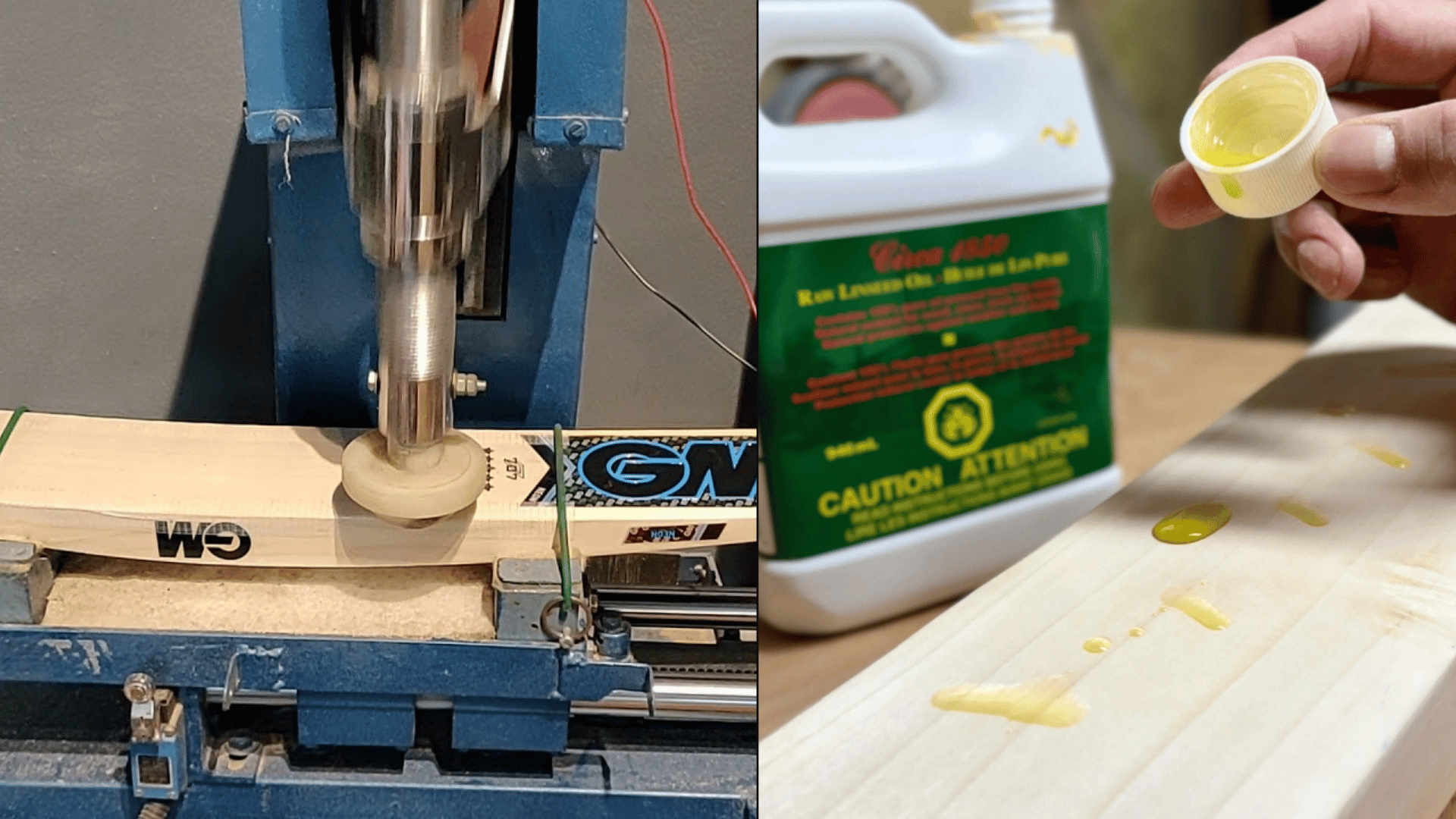
The first step in preparing a new cricket bat is applying a light layer of raw linseed oil. The oil helps keep the willow wood moist and prevents it from becoming dry and brittle. Use a soft cloth to apply a small amount of oil to the face, edges, and toe of the bat.
Be careful not to apply too much oil, as excess oil can make the bat heavy and damage the wood structure. After applying the oil, leave the bat to dry in a cool place for about 24 hours. Usually, one or two light coats of oil are enough for a new bat.
Knocking-In the Bat
Knocking-in is one of the most important steps in preparing a cricket bat. This process compresses the fibers of the willow and helps the bat withstand the impact of cricket balls.
To knock in a bat, you can use a wooden bat mallet or an old cricket ball. Gently tap the face of the bat repeatedly for several hours. Focus mainly on the middle area of the bat and gradually move toward the edges. Avoid hitting the edges too hard during the early stage, as they are more fragile.
Most bats require around 4 to 6 hours of knocking-in before they are ready for match use.
Check the Edges and Toe
The edges and toe of a cricket bat are the most vulnerable areas. While knocking-in, lightly tap these areas to strengthen them. Many players also apply toe protection or toe guards to prevent damage from moisture and yorker deliveries.
Taking care of the edges and toe can help prevent cracks and increase the durability of the bat.
Start With Practice Balls
Even after knocking-in, it is recommended to start using the bat gradually. Begin by facing soft practice balls or old cricket balls in the nets. This allows the bat to adjust slowly to impact before being used in competitive matches.
Avoid using a brand-new bat directly in a match against hard new balls.
Regular Bat Maintenance
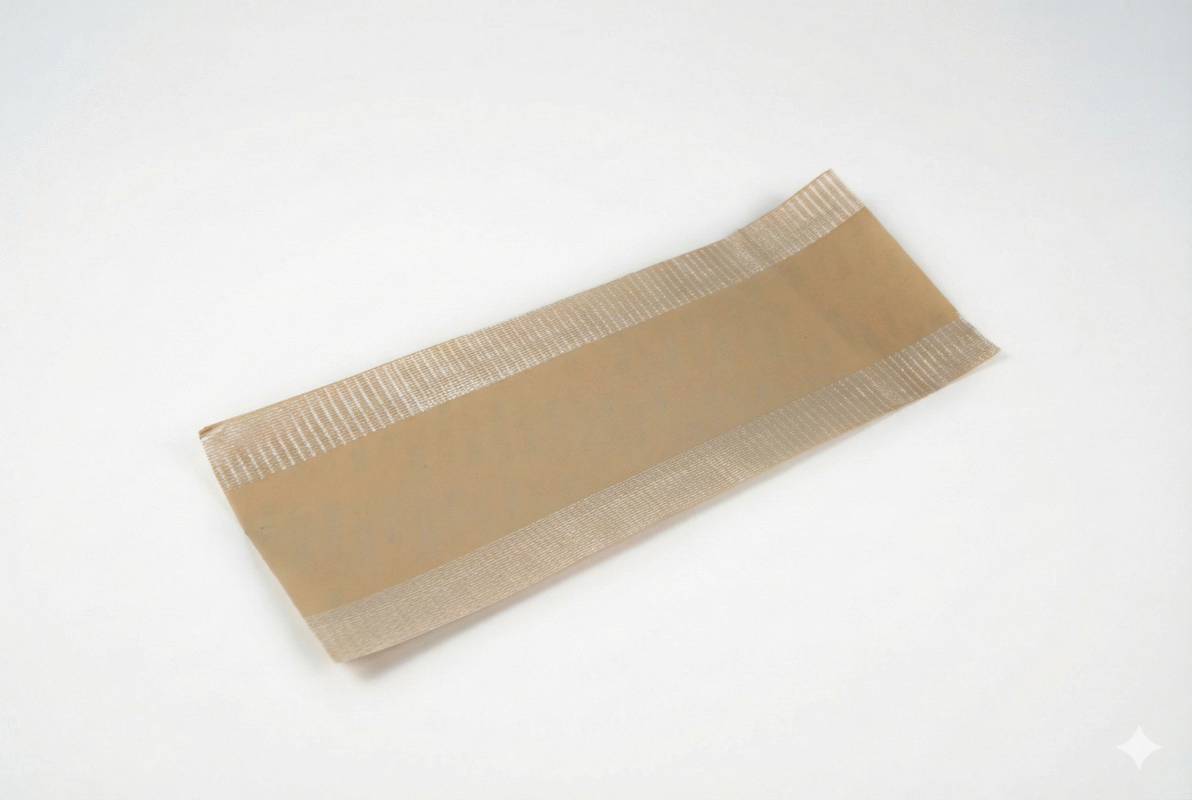
Maintaining your bat regularly can extend its life. Check the bat for small cracks and repair them early. Using a protective anti-scuff sheet on the bat face can also protect the willow from surface damage.
Keeping the bat in a dry environment and avoiding extreme moisture or heat will also help maintain its quality.
Conclusion
Preparing a new cricket bat properly is essential for long-term performance and durability. Applying linseed oil, knocking-in the bat, protecting the edges, and using the bat gradually in practice can significantly increase its lifespan. With proper care and maintenance, a well-prepared cricket bat can serve a player reliably for many matches and practice sessions.